
Table of Contents
Applications of Power Semiconductor Devices – Workhorse of Industries
Power semiconductor devices are the backbone of modern power electronics, enabling efficient energy conversion, control, and management across various industries. From consumer electronics to electric vehicles (EVs) and renewable energy systems, these devices play a crucial role in enhancing performance, reducing energy losses, and supporting sustainable technologies.
Key Applications of Power Semiconductor Devices
1. Consumer Electronics
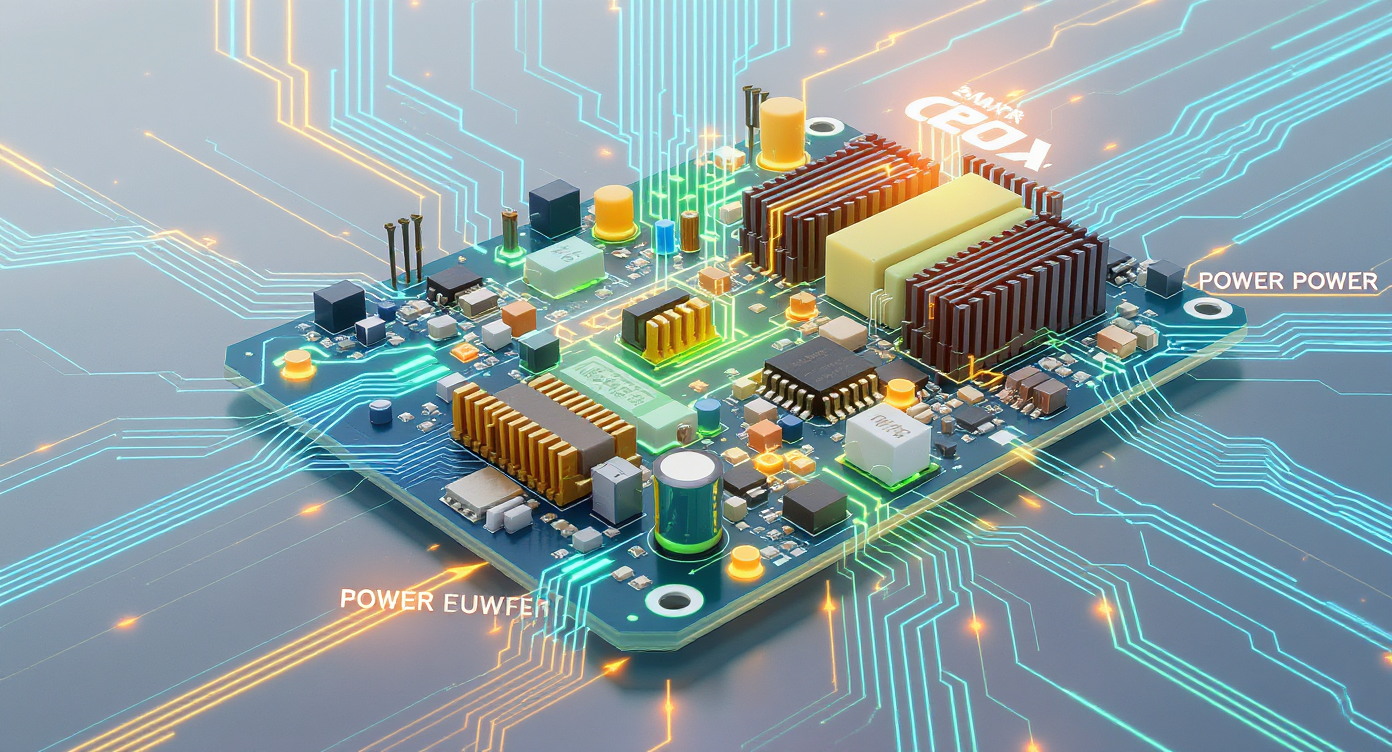
- Switched-Mode Power Supplies (SMPS): Used in laptops, smartphones, and chargers to efficiently convert AC to DC power.
- Voltage Regulation: MOSFETs manage power distribution in devices like smartwatches and tablets.
2. Electric Vehicles (EVs) & Charging Infrastructure

- Motor Drives: IGBTs (Insulated Gate Bipolar Transistors) and SiC (Silicon Carbide) MOSFETs control traction motors for better efficiency.
- Battery Management: Power semiconductors regulate charging/discharging cycles in EV batteries.
- Fast Charging Stations: High-power SiC and GaN (Gallium Nitride) devices enable rapid DC charging with minimal losses.
3. Renewable Energy Systems
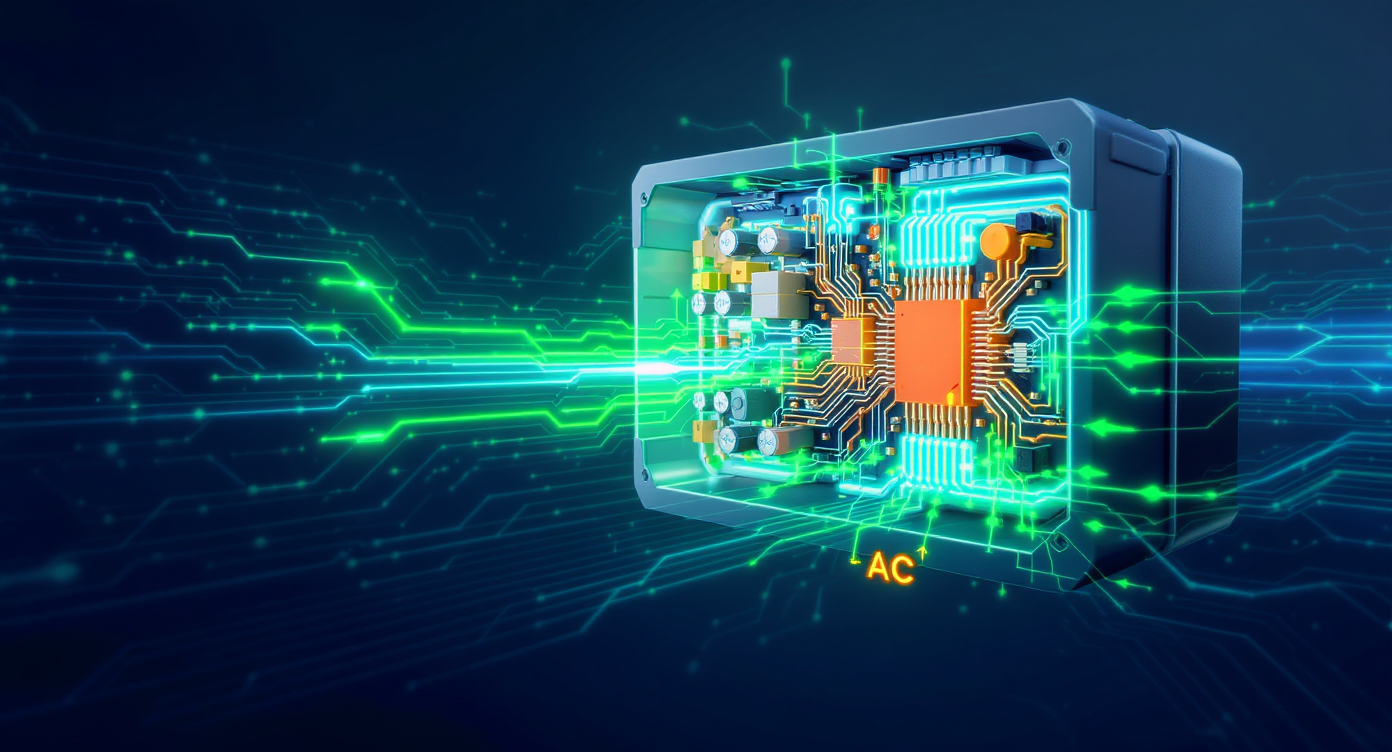
- Solar Inverters: Convert DC from solar panels to grid-compatible AC power.
- Wind Turbines: Control power flow and improve energy harvesting efficiency.
4. Industrial & Automation
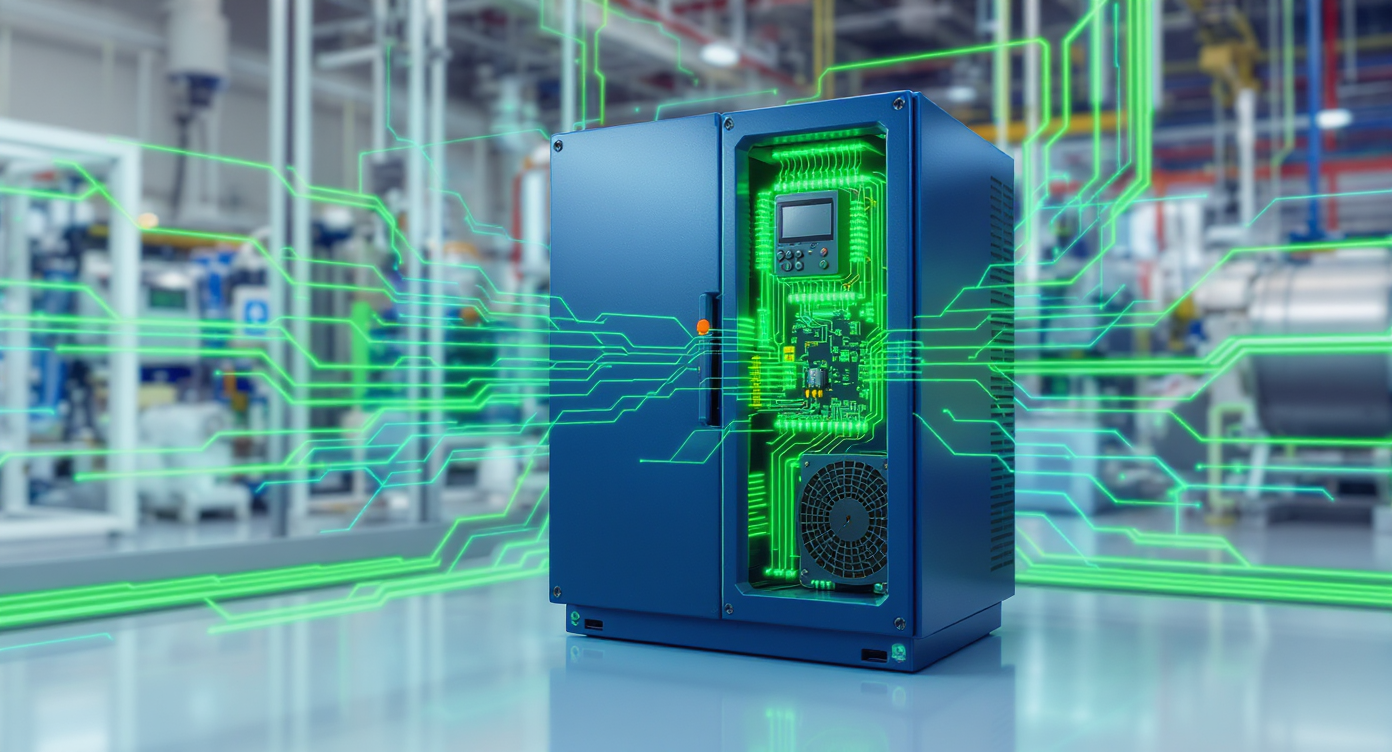
- Motor Control: Adjust speed and torque in industrial motors using variable frequency drives (VFDs).
- Robotics & CNC Machines: Ensure precise power delivery for high-performance automation.
5. Power Grid & Energy Transmission
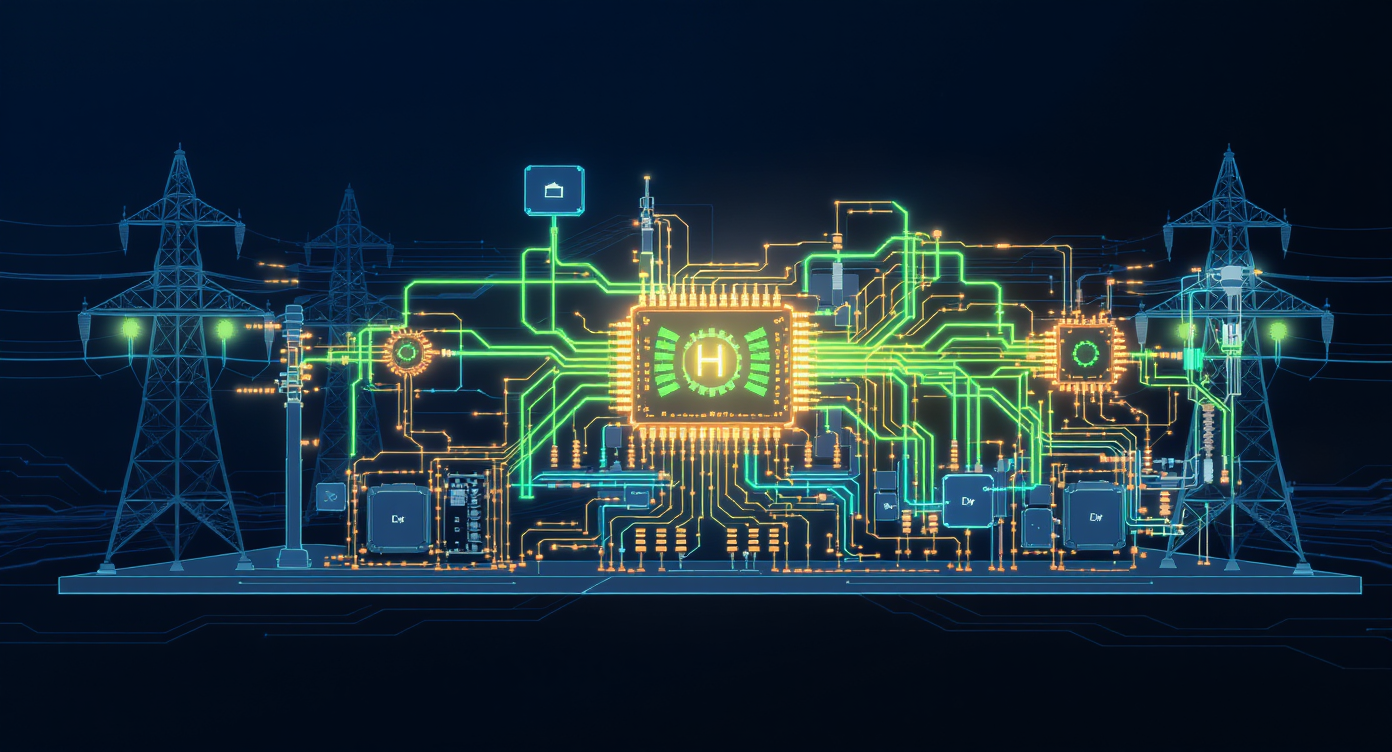
- High-Voltage DC (HVDC) Transmission: Enables long-distance power transfer with minimal losses.
- Smart Grids: Facilitates dynamic power distribution and fault protection.
6. Aerospace & Defense
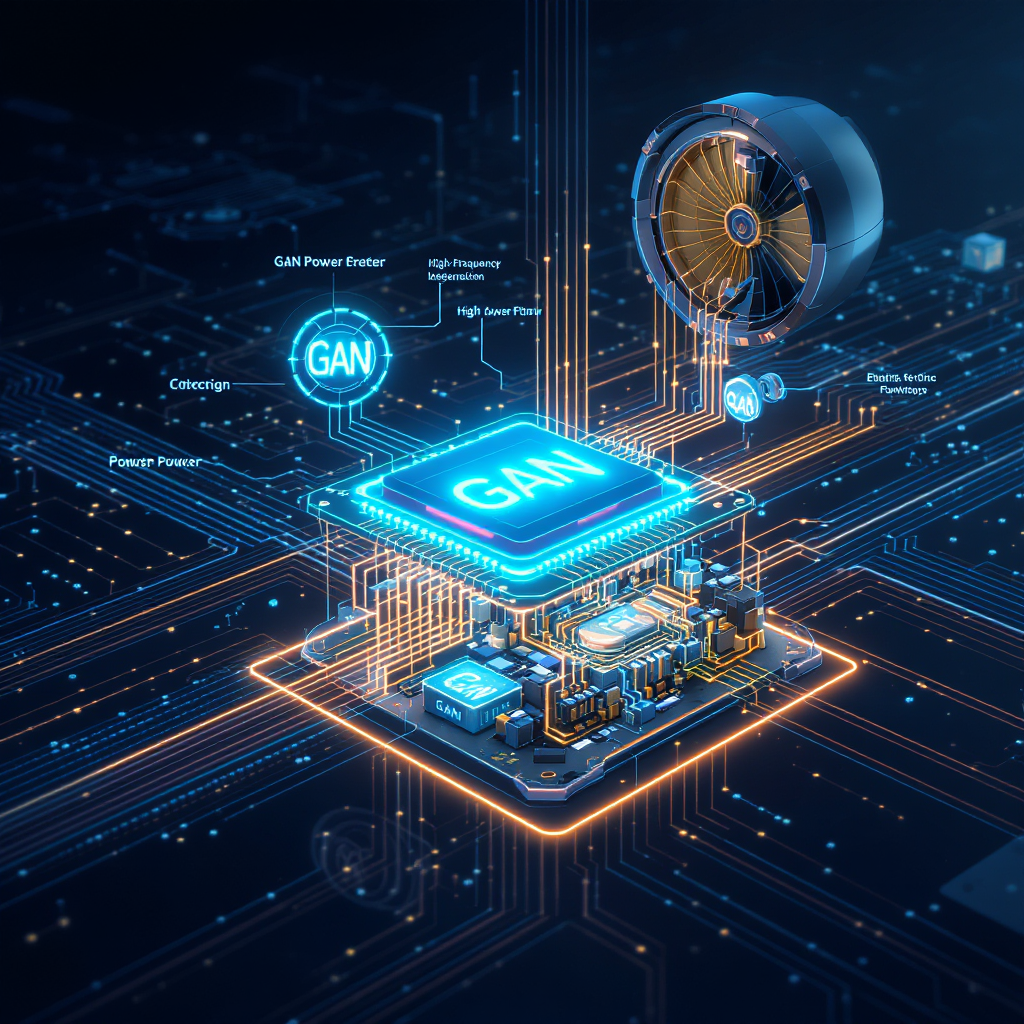
- Electric Aircraft: Supports hybrid-electric propulsion systems.
- Radar & Communication Systems: High-frequency GaN devices enhance signal processing.
Emerging Trends
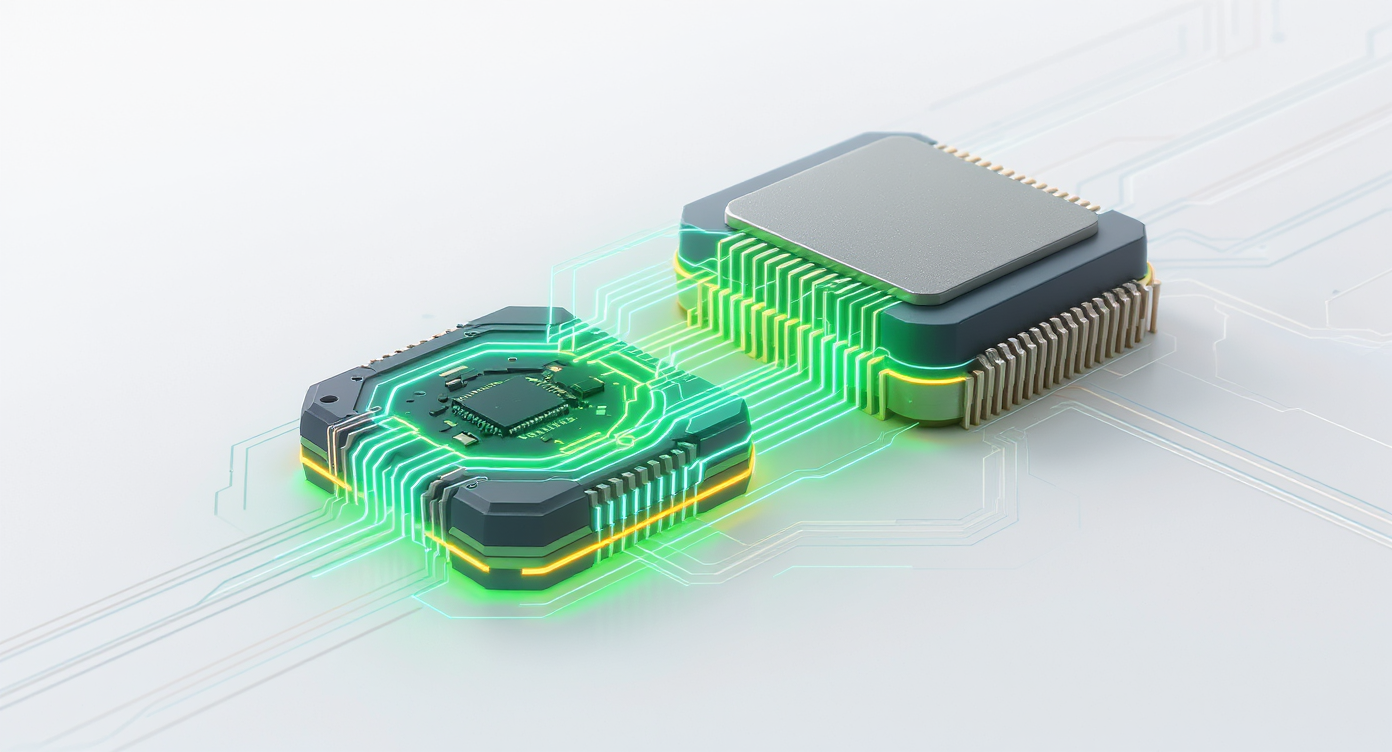
- Wide Bandgap (WBG) Semiconductors (SiC & GaN): Offer higher efficiency, faster switching, and better thermal performance than traditional silicon.
- Miniaturization: Smaller, more efficient power modules for compact applications.
- AI & IoT Integration: Smart power management in connected devices.
Conclusion
 Power semiconductor devices are unequivocally driving innovation across virtually every sector of modern technology, serving as the unsung heroes that enable efficient energy conversion, control, and management. Their pervasive influence is a testament to their critical role in optimizing power delivery, minimizing energy waste, and fostering the development of sustainable solutions. From the omnipresent devices in our pockets to the complex machinery that powers industries and safeguards national security, these compact yet powerful components are indispensable.
The continuous advancements in materials science, particularly with the advent of Wide Bandgap (WBG) semiconductors like Silicon Carbide (SiC) and Gallium Nitride (GaN), mark a revolutionary leap forward. These materials are not merely incremental improvements; they represent a paradigm shift by offering significantly higher efficiency, faster switching speeds, superior thermal performance, and the ability to operate at higher voltages and temperatures compared to traditional silicon. This breakthrough directly translates into smaller, lighter, and more reliable power systems, which are crucial for the continued miniaturization of electronics and the expansion into more demanding environments such as deep space or high-power industrial applications.
Looking ahead, the evolution of power electronics will be characterized by greater integration and intelligence. The trend towards highly integrated power modules will further simplify system design, reduce manufacturing costs, and enhance overall system reliability. Moreover, the synergy between power semiconductor technology and emerging fields like Artificial Intelligence (AI) and the Internet of Things (IoT) is set to unlock unprecedented capabilities in smart power management. Imagine devices that can dynamically optimize their energy consumption based on real-time usage patterns, predictive analytics, and connectivity within a smart grid or industrial ecosystem. This intelligent power management will be vital for unlocking the full potential of future energy systems, from localized microgrids to large-scale renewable energy integration and the widespread adoption of electric transportation.
Ultimately, the future impact of power semiconductor devices extends beyond mere technological advancements; it underpins our collective journey towards a more energy-efficient, environmentally conscious, and digitally interconnected world. As research and development continue to push the boundaries of what’s possible, these devices will remain at the forefront of enabling cleaner energy production, more efficient resource utilization, and the realization of a truly sustainable future. Their ongoing evolution is not just about making systems faster and lighter; it’s about building a foundation for resilience, innovation, and global progress.